
A message from Michelle:
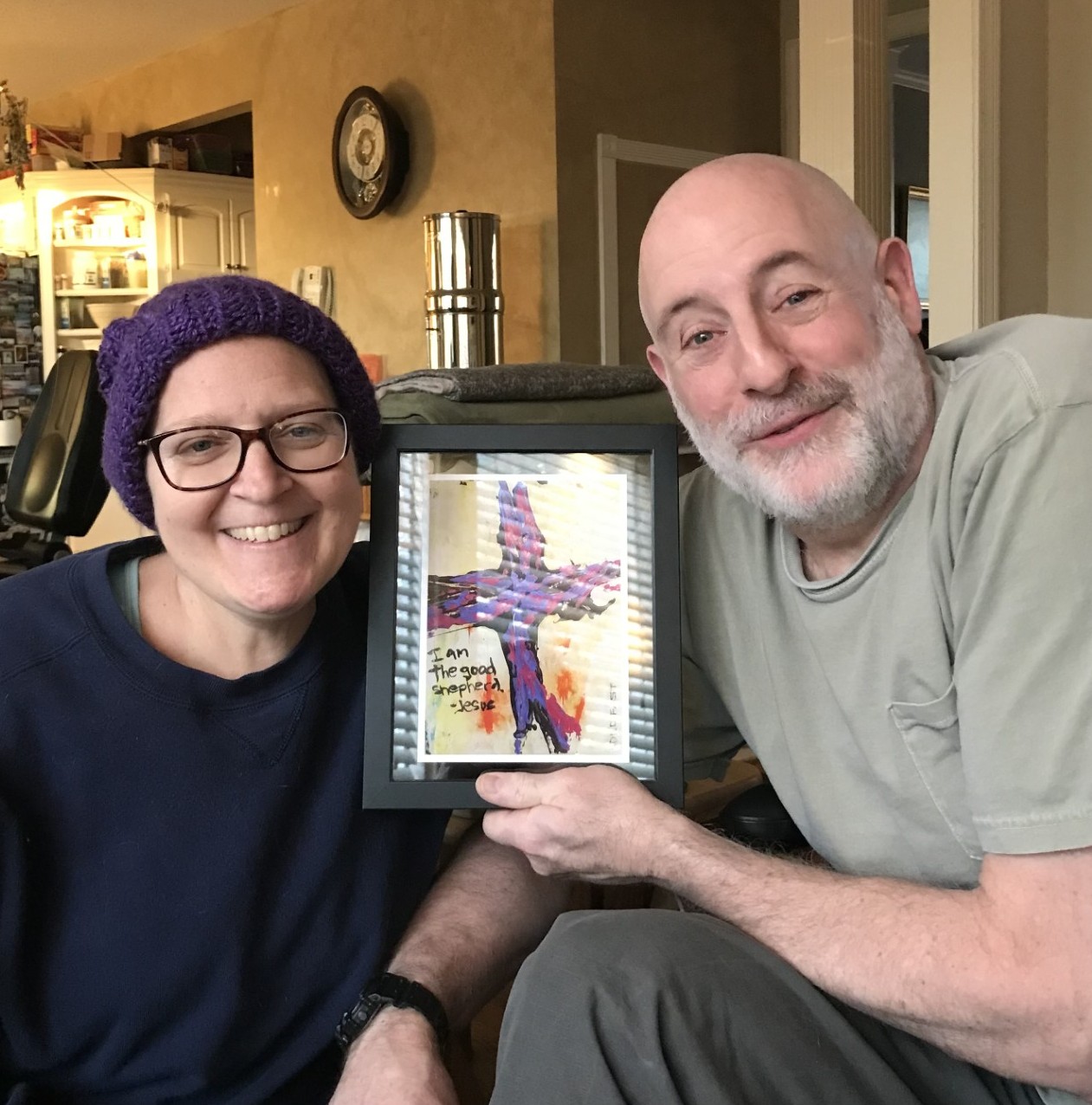
It’s important to know that we control the narrative. If done correctly, end-of-life and hospice care are the beginning of a new chapter of patient autonomy. Choosing to stop curative treatment is a brave decision, and there are benefits to doing so. The healthcare team may not offer us the option to shift away from curative treatment and towards a comfort approach, but the decision is ultimately ours to make.
We hear that a friend enters hospice, but we never learn more about their experience. My hope is that this story lives on after I pass to help demystify end-of-life and hospice—what it is, what it is not, and what survivors and caregivers should know.
Editor's Note: After sharing this story with us, Michelle passed away in September of 2026. We are deeply grateful for all the time and energy she spent helping her fellow lung cancer survivors, and know she will be deeply missed by family, friends, and everyone at LUNGevity.
Long-time lung cancer survivor Michelle Hills was first diagnosed with ALK+ lung cancer in 2018. As a social worker and former healthcare executive, she knew that navigating the healthcare system required strong self-advocacy. Her spicy “tell it like it is” personality would come in handy, but she’d still have to get out of her comfort zone.
Years later, her cancer spread to the cerebrospinal fluid and leptomeninges that surrounded her brain and spinal cord, leading to her diagnosis of leptomeningeal disease (LMD). In 2025, Michelle shared her advice for dealing with LMD in this blog post.
In the summer of 2026, Michelle reached out to us with more to share. After transitioning into hospice care, she realized it didn’t fulfil all her needs. Now, she wants to make sure others are well prepared.
What Is Hospice Care, and What Is Hospice Care NOT?
The overall goal of hospice care is to provide comfort and improve quality of life for those with a life-limiting illness like lung cancer. It’s for people who have decided to forgo curative treatment in favor of improving their quality of life.
Michelle planned for hospice care years in advance, before knowing if it was a service she’d ever need. This meant pre-selecting a hospice provider so the referral process could be easier. When the decision to start hospice was made, her hospice care team had their initial visits, and Michelle began receiving home equipment the next day.
The Medicare/Medicaid certified hospice provider that Michelle and her husband Tim chose, offers:
- Nurse visits twice per week
- Faith visits from a Chaplain
- Social worker visits
- Hospice physician oversight and management
- Medications for comfort, delivered to the home
- Basic home equipment and supplies
- Home health aide
“Hospice gave us some equipment, and we call it the ‘camping version’ of hospital equipment. We still decided to buy a lot of our own equipment, such as medical grade wipes. You have to be really aware of infections and make sure you’re using the right things.” says Michelle.
The daily needs of hospice patients vary, and to account for this, hospice provides some in-home help. Michelle highly recommends exploring additional in-home caregiver support to supplement the home health aide provided by hospice.
“We had to find our own professional care service that would come in and stay with me to help with daily tasks while Tim was at work. You really cannot rely on friends and family to provide this level of service. You need to hire professionally trained caregivers.”
Michelle strongly suggests interviewing caregiver services prior to starting hospice, so you can make sure they provide everything you need. Her first in-home caregiver wasn't a good fit, so they moved on and hired someone who was.
Adjusting To Life in Hospice
One of the primary changes when moving into hospice care is an adjustment in medication. Instead of taking ones meant to treat cancer, Michelle started taking medications that improved her quality of life.
“We hear about this phase called the ‘hospice honeymoon’ which is when you begin discontinuing medications and start feeling better for a while. I gained mental clarity when I went down from 17 medications to four medications. Plus, some of the side effects I was dealing with disappeared.”
Because of this change in medication, and a change in her prescribing doctor, Michelle lost access to her previous pharmacy. She now needed to go through the national pharmacy her hospice care company used. This caused a brief delay in getting her new comfort medications and meant adjusting to a new process, coordinated through hospice.
Reminders from Michelle when transitioning to hospice:
- If you stop taking a medication, make sure to cancel any automatic prescription refills so you don’t get charged
- If you had scans or doctor appointments scheduled, remember to cancel them if they’re no longer needed
- Find out what food your body tolerates and make a food plan based on it
Managing the physical, mental, emotional, and social demands of lung cancer and hospice can be exhausting. When Michelle announced to friends and family that she was transitioning to hospice care, she received tons of incoming messages from people wanting to visit and reconnect with her and Tim.
“Managing visitors is a big deal. You don’t have to host them; you’re not required to accept visitors. We even put on my CaringBridge page that we did not want visitors, but there were still people who thought that it didn’t apply to them. They just don't realize the drain it has on us and they feel the need to visit. But sometimes, you need to be firm that you don’t want visitors and that it’s your decision to make,” says Michelle.
A theme from Michelle’s first blog on LMD was the need to be strong in your convictions and decide what's best for you. In this instance, it meant saying no to visitors and not responding to every phone call, text, and email she received. This allowed Michelle and Tim to keep their home a protected and sacred space.
“We have the right to a peaceful passing.”
Michelle and Tim still accepted help, such as having meals delivered. But they maintained a strong boundary of keeping visitors out of the house, per Michelle’s wishes.
Planning For When Hospice Ends
“We asked ourselves, what can we do to proactively help Tim. You don’t have to wait to die to take care of these things. We didn’t want to force Tim to do all these things the hard way with a death certificate,” says Michelle.
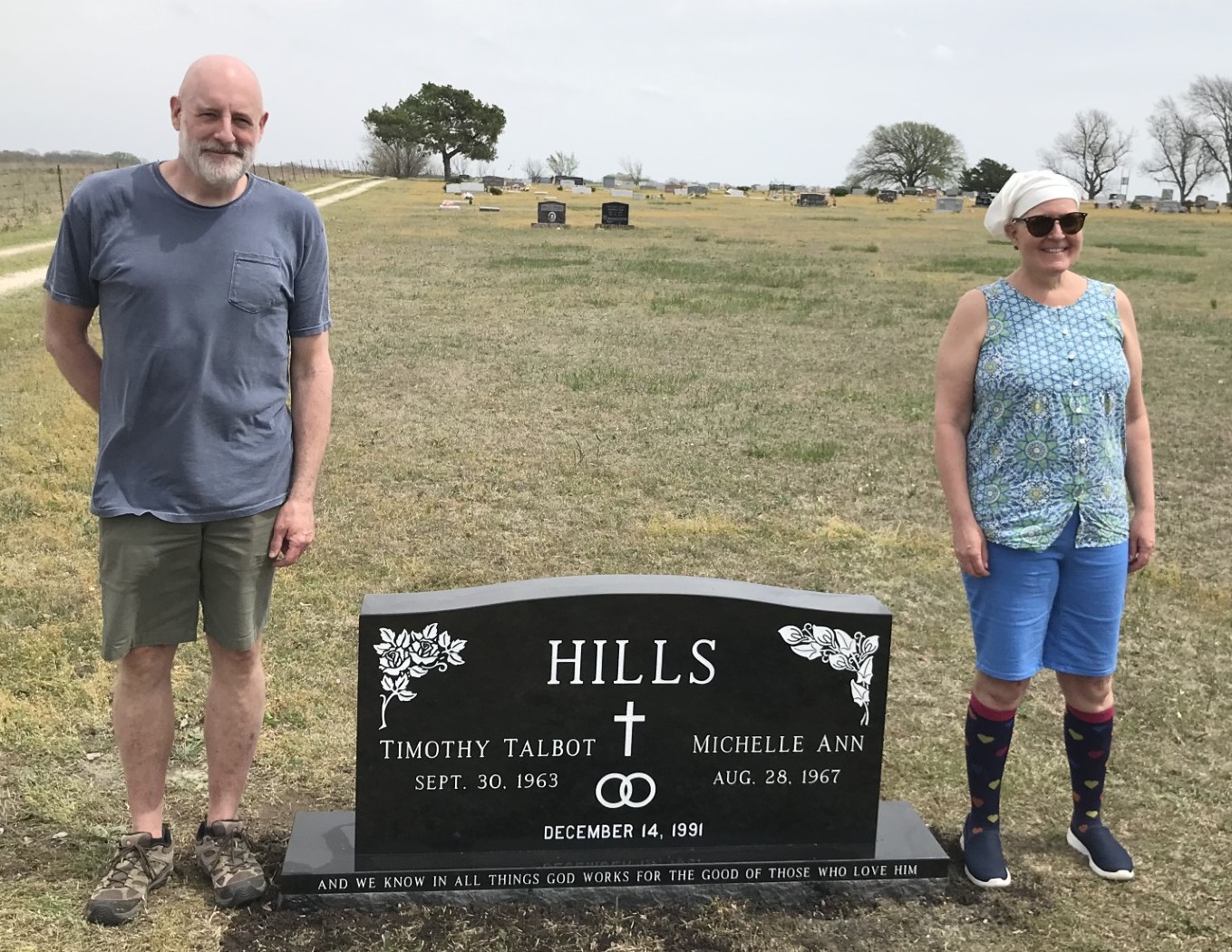
Some of the easy-to-forget items that Michelle suggested people keep in mind include:
- Discontinuing credit cards
- Canceling subscriptions
- Updating house title insurance
- Purchasing a burial plot
- Choosing a headstone
- Selecting hymns for the funeral service
“It’s important to take care of as much as you can, while you still can. You don’t have to wait until you’re in hospice to start your end-of-life planning.”
To repeat Michelle’s opening statement, “It’s important people know they can control the narrative. If done correctly, hospice is the beginning of a story, not the end.”
Her hospice experience included surprises, frustrations, and hard decisions. But it also came with freedom from medical tests, dealing with fewer side effects, living with more comfort, and an improved mental clarity.
This is the story Michelle needed to share before hospice ended. It’s the story she wished someone had shared with her years ago. She learned so much from the friends she made at LUNGevity Virtual Meetups—such as the LMD advice that saved her life—and wanted to pay it forward by talking about hospice care, something she believed was underdiscussed in the lung cancer survivor community.
Additional Hospice Resources: